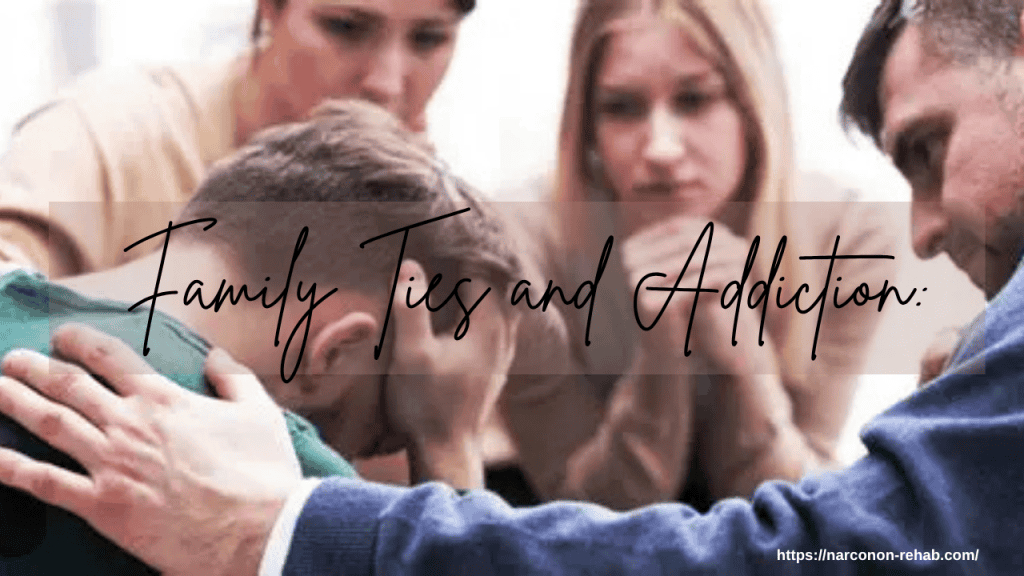
Addiction often feels personal. The pain, the cravings, and the inner battle are deeply individual experiences. Yet, many people struggling with substance use disorders find themselves asking the same question: Why me? For some, the answer lies not just in choices or circumstances but in something much deeper — their DNA. Understanding the role of genetics in addiction can be a powerful step toward healing and recovery.
At Narconon Rehab, we believe that lasting recovery begins with knowledge, self-awareness, and a personalized approach that honors your individual story — including your family history. Whether you’re seeking help for yourself or a loved one, knowing how hereditary risk factors influence addiction can bring clarity and direction on the path to wellness.
How Genetics Influence Addiction Risk
Addiction is not just a matter of willpower or environment. Decades of research show that genetics account for 40 to 60 percent of a person’s vulnerability to addiction. This means some individuals are biologically more prone to substance dependence due to the way their brain chemistry responds to alcohol, drugs, and even stress.
Specific genes — such as those that regulate dopamine, the brain’s pleasure and reward chemical — can make certain people more sensitive to the effects of substances. Others may have inherited traits that influence how they metabolize drugs or how strongly they experience cravings and withdrawal.
Having a parent, sibling, or grandparent who struggled with addiction doesn’t guarantee you’ll follow the same path. However, it does increase your risk, making awareness and proactive care essential.
Understanding Family History as a Preventive Tool
Recognizing addiction patterns within your family can help you take preventive steps before a problem escalates. If you know you are more vulnerable because of your genetic makeup, you can:
- Avoid early exposure to addictive substances
- Develop healthy coping strategies for stress and emotional challenges
- Stay connected with supportive communities or spiritual practices
- Seek professional guidance early, before dependency develops
At Narconon Rehab, we use this insight as part of a comprehensive, client-centered recovery plan that focuses on each person’s unique background, needs, and strengths.
Holistic Recovery That Goes Beyond Genetics
While genetics set the stage, they do not dictate your destiny. Many people with a family history of addiction never develop a problem. Conversely, some people with no family history do. Why? Because addiction is a result of both nature and nurture — biology and life experience combined.
That’s why our treatment model is holistic and deeply personalized. We integrate:
- Nutritional support to rebuild the body
- Faith-based guidance for spiritual restoration
- Behavioral therapies to reframe thinking patterns
- Life skills training to prepare for lasting independence
- Emotional and mental health support for trauma and co-occurring conditions
This approach ensures that we treat the whole person, not just the symptoms of substance use.
You Are Not Defined by Your DNA
Having a genetic predisposition to addiction is not a life sentence. It’s a starting point for awareness, accountability, and healing. At Narconon Rehab, we believe every individual has the power to break free from inherited cycles and create a new path grounded in purpose, wellness, and self-empowerment.
We’ve helped countless individuals overcome generational patterns of substance dependence through our inpatient and outpatient programs, blending medical support with spiritual growth, emotional healing, and practical life rebuilding.
Take the First Step Toward Freedom
If you or someone you love is struggling with addiction — and especially if you know it runs in your family — you don’t have to wait for things to get worse. Early intervention changes lives.
Reach out to Narconon Rehab today to learn how our compassionate, holistic, and science-backed approach can help you overcome not just addiction, but the legacy it may have left behind. Your story can change — and it starts with a single, brave step forward.
